Quick Summary
Blown-in insulation works by distributing loose fiberglass or cellulose material through a blowing machine, filling irregular attic spaces and wall cavities without requiring major structural access. It performs best in existing homes, retrofit projects, and attics where standard batt insulation leaves gaps. Fiberglass handles humidity better; cellulose offers slightly better soundproofing. Older homes, rising energy bills, and uneven room temperatures are the clearest indicators that an insulation upgrade is overdue.
A home that can’t hold temperature is frustrating to live in. The AC runs constantly, rooms feel uneven, and energy bills keep climbing without a clear explanation.
In many DFW homes, the attic is where the problem starts. At CoreLine Insulation, we see this regularly, and blown-in insulation is often what finally fixes it. Before deciding whether it’s the right fit for your home, it helps to know what it is, how installation works, and which situations it’s best suited for.
What Blown-In Insulation Is and How It Works
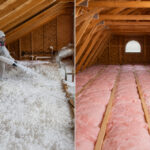
Blown-in insulation, also called loose-fill insulation, is exactly what the name suggests. Loose material, typically fiberglass or cellulose, gets fed into a blowing machine and distributed through a hose into attics, wall cavities, and other hard-to-reach spaces. The material moves freely and settles into every corner, around joists, pipes, and wiring. It can do so without requiring the space to be open or accessible, unlike batt insulation.
The installation process follows a straightforward sequence. A technician inspects the attic first, checking for moisture, pest damage, roof leaks, or any wiring concerns that need to be addressed before insulation goes in. Air leaks around penetrations, outlets, and vents get sealed at the ceiling deck level. Soffit baffles are checked to keep the material from blocking attic ventilation. Then the machine runs, the hose covers the attic floor section, and depth markers confirm even coverage and the target R-value.
Wall installations work a little differently. Small holes, roughly 2 to 2.5 inches wide, are drilled between studs near the top of the wall. The hose goes in, material fills the cavity, and the holes get patched and spackled. The result is a continuous thermal barrier with no gaps left behind.
The Materials: Fiberglass vs. Cellulose
Two materials make up the vast majority of blown-in installations, and each has distinct characteristics worth knowing.
Fiberglass is made from recycled glass, which is spun into fine fibers. It won’t absorb moisture, won’t promote mold growth, and is naturally non-combustible. In DFW’s humid climate, blown-in fiberglass tends to be a practical choice.
Cellulose is made from 70 to 85 percent recycled paper, typically newsprint, treated with fire retardants and borate. The borate treatment also acts as a natural insect deterrent. Cellulose performs well for air sealing and soundproofing, and its R-value per inch is slightly higher than fiberglass. The tradeoff is that it settles more over time and is more vulnerable to moisture if attic ventilation isn’t properly maintained.
Both materials have their place. The choice usually comes down to the specific attic, its ventilation setup, and what the homeowner is trying to accomplish.
When Blown-In Insulation Makes Sense for Your Home
This is where context matters most. Knowing that residential insulation options exist isn’t enough, as the situation at hand determines which approach fits.
Blown-in is often the better path when:
- Attic coverage: the attic has irregular framing, obstacles like pipes and wiring, or older construction where standard batts can’t fit cleanly
- Retrofit projects: walls and ceilings are already finished, and opening them up isn’t practical or desirable
- Topping off existing insulation: existing batts have thinned or settled, and adding a layer of blown-in material brings coverage back up to the needed depth
- Older homes: properties over 20 years old that haven’t had an insulation upgrade often have inadequate or degraded coverage
- Hard-to-reach areas: corners where the roof meets the floor, tight joist bays, spaces around structural elements
It’s worth noting a few situations where blown-in may not be the first choice. New construction with wide-open framing can be handled more efficiently with batts.
If moisture issues haven’t been resolved in an attic or wall cavity, insulation of any kind should wait until the source is addressed. When maximum air sealing and thermal performance are the goal, spray foam is the higher-performing option.
Signs Your Home May Need an Insulation Upgrade
Some homes give clear signals that the current insulation isn’t performing the way it should. A few of the more common ones:
- HVAC runtime: the heating or cooling system runs almost constantly without reaching the target temperature.
- Rising energy bills: costs keep climbing year over year without a change in usage habits or utility rates.
- Uneven temperatures: upstairs rooms, rooms over garages, or rooms at the far end of the house feel noticeably different from the rest.
- Cold surfaces: interior walls or floors feel cold to the touch in winter, even when the heat is running.
- Visible settling: attic insulation looks thin, compressed, or discolored compared to what was originally installed.
- Age of the home: Homes built before 2005 and without updates may not meet current code R-value requirements for the DFW area.
What Blown-In Insulation Does for a Home Over Time
The immediate effect is better temperature stability. Rooms hold their temperature more consistently, HVAC systems don’t cycle as often, and the gap between what a thermostat is set to and how a home actually feels starts to close.
Over time, reduced HVAC runtime means less wear on the equipment. A system that isn’t running at maximum capacity for hours on end tends to last longer and need less maintenance. Insulation doesn’t replace HVAC maintenance, but it does take pressure off the system, a pressure that adds up over the years.
Soundproofing is a secondary benefit that homeowners often notice after the job is done. Cellulose in particular creates a dense enough barrier to reduce airborne noise between floors and from outside. It’s not a soundproofing-specific solution, but the effect is real and noticeable in many homes.
The same principles apply to commercial insulation applications. Larger buildings with more complex layouts, retrofits over existing ceilings, and spaces that need consistent temperature across multiple zones are all situations where blown-in material performs well.
Lifespan depends on the material. Fiberglass blown-in is among the most durable insulation options available. Cellulose typically performs well for 20 to 30 years, with settling being the main factor that affects performance over time. Periodic attic inspections, good ventilation, and moisture control go a long way toward keeping either material performing as intended.
Ready to Figure Out What Your Attic Actually Needs?
Blown-in insulation isn’t the answer to every situation, but it handles a wide range of problems in existing DFW homes better than most alternatives. Attic geometry, retrofit constraints, age of the home, and ventilation setup all factor into whether it’s the right path.
The way forward is to have an attic inspection by someone who can assess your specific setup and give you a straight answer. Contact us if you’re ready to take that step.
FAQs
Yes. Small holes are drilled between studs, material is blown into the cavity, and the holes are patched afterward. It’s one of the main reasons blown-in is preferred for retrofits in existing homes where opening walls isn’t practical.
Cellulose settles more noticeably over time than fiberglass. Installers account for this by blowing material to a greater initial depth. Periodic attic checks every 10 to 15 years help catch any significant settling before it starts affecting performance.
Professionally installed blown-in material is applied around existing wiring without covering junction boxes or fixtures improperly. A technician inspects the attic beforehand, specifically to identify any wiring concerns that need attention before installation begins.