Quick Summary
Choosing the right home insulation depends on your home’s design, climate, and long-term goals. Understanding the differences between batt insulation, blown-in insulation, spray foam, and other options can help improve comfort, reduce energy costs, and support better indoor efficiency. Working with experienced professionals can help you select the insulation solution that delivers lasting performance for your property.
Keeping your home comfortable throughout the year starts with choosing the right insulation. Energy-efficient home insulation does much more than regulate indoor temperatures. It helps lower energy bills, improves comfort, reduces outside noise, and places less strain on your heating and cooling system.
Still, not every insulation product works the same way. Different materials perform better in certain areas of a home, and each has advantages depending on your goals and budget.
If you are planning a new construction project, remodeling an older property, or replacing outdated insulation, understanding your options can help you make a smarter decision.
Why Home Insulation Matters
Home insulation helps regulate indoor temperatures by slowing heat transfer through walls, ceilings, floors, and attics. During summer, it reduces heat entering the home. During winter, it helps retain indoor warmth.
Proper insulation offers several benefits, including:
- Lower energy bills
- More consistent indoor temperatures
- Reduced HVAC workload
- Improved indoor comfort
- Better sound control in some areas
Insulation performance is measured by R-value, which indicates resistance to heat flow. While higher R-values generally provide better thermal performance, the right insulation also depends on climate, installation quality, and where it will be installed.
Understanding the Main Types of Home Insulation
Batt Insulation
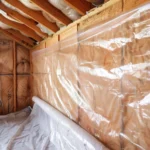
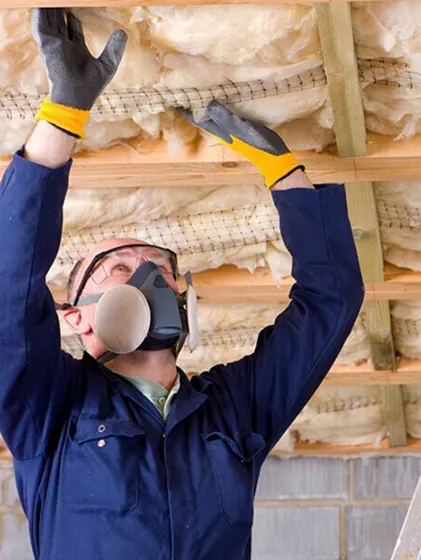
Batt insulation is one of the most common choices for residential construction. Available in pre-cut panels or rolls, it fits between wall studs, ceiling joists, and floor framing.
Fiberglass is the most common material, although mineral wool and natural fiber batts are also available.
Batt insulation works best during new construction or major remodeling when wall cavities are exposed. It is affordable, easy to install in open framing, and provides reliable thermal and sound insulation when properly fitted. However, gaps or compressed sections can reduce its effectiveness.
Blown-In Insulation
Blown-in insulation uses loose fiberglass or cellulose fibers that are installed with specialized equipment. Because the material fills gaps and irregular spaces, it provides excellent coverage in attics and existing wall cavities.
Fiberglass loose-fill resists moisture and settling, while cellulose is made largely from recycled paper treated for fire resistance.
Blown-in insulation is one of the most popular options for attic upgrades because it increases insulation depth without removing finished ceilings.
Spray Foam Insulation
Spray foam insulation expands after application, filling small cracks and gaps while creating an effective air seal. Unlike traditional insulation, it reduces both heat transfer and air leakage.
Open-cell spray foam is softer and commonly used inside walls and roof assemblies. Closed-cell spray foam is denser, provides a higher R-value per inch, and offers greater moisture resistance.
Although spray foam has a higher upfront cost, many homeowners choose it for its long-term energy savings, improved indoor comfort, and excellent air-sealing performance.
Rigid Foam Board Insulation
Rigid foam board consists of solid insulation panels commonly installed on foundation walls, crawl spaces, basement walls, roof assemblies, and exterior wall sheathing.
One of its biggest advantages is reducing thermal bridging. This occurs when heat travels through framing instead of insulated cavities.
Because it resists moisture and provides continuous insulation, rigid foam board is frequently used in high-performance homes and commercial buildings.
Mineral Wool Insulation
Mineral wool, also known as rock wool, is made from natural rock and recycled materials. It provides excellent thermal insulation while also offering superior fire resistance and sound control.
Unlike some insulation products, mineral wool resists moisture and maintains its insulating performance even in humid environments. It is available in batt and loose-fill forms for a variety of residential applications.
Its dense structure also helps reduce sound transmission between rooms. This makes a popular choice for bedrooms, home offices, multi-family properties, and homes where noise reduction is a priority.
Reflective Insulation and Radiant Barriers
Reflective insulation and radiant barriers are designed primarily for hot climates.
Instead of slowing heat transfer like fiberglass or cellulose, radiant barriers reflect solar heat away from the attic. They are typically installed beneath roof decking and work best alongside traditional insulation rather than replacing it.
Homes in regions with long, hot summers often benefit from adding radiant barriers to improve attic performance. By reducing radiant heat gain, they can help keep attic temperatures lower, improve overall energy efficiency, and reduce the workload on air conditioning systems during peak summer months.
Which Insulation Works Best for Your Home?
No single insulation product is ideal for every home. The right choice depends on your home’s construction, climate, existing insulation, and budget.
In general:
- Batt insulation works well for new construction and open wall cavities.
- Blown-in insulation is ideal for attic upgrades and existing homes.
- Spray foam is best where air leakage is a major concern.
- Rigid foam board performs well in basements, crawl spaces, and exterior walls.
- Mineral wool is a good choice for fire resistance and sound control.
- Radiant barriers complement attic insulation in hot climates.
Many homes combine multiple insulation products to maximize energy efficiency.
Working With Experienced Insulation Professionals
Every property has different insulation needs. A solution that performs well in one home may not be the best choice for another.
Experienced insulation professionals evaluate several factors before recommending a system. They consider the home’s layout, existing insulation, ventilation, climate, and long-term goals. This approach helps identify the most practical solution instead of simply recommending the same product for every project.
At CoreLine Insulation LLC, we work with homeowners, builders, general contractors, project managers, and purchasing managers on projects of every size. Our team focuses on clear communication from the first conversation through project completion.
We believe every customer deserves straightforward recommendations based on their property’s needs. Our certified technicians complete installations using methods that support long-lasting performance, while our transparent pricing allows clients to make informed decisions without surprises.
Ready to Make Your Home More Comfortable?
The right insulation can change how your home feels every day. Lower energy use, more consistent indoor temperatures, and greater year-round comfort all begin with choosing the right solution.
If you’re planning a new build, renovating an existing home, or upgrading outdated insulation, our team at CoreLine Insulation LLC is ready to help you explore options that fit your goals.
Let’s create a home that works smarter, feels more comfortable, and delivers lasting value for years to come.
FAQs
Most insulation materials can last for decades when installed correctly and kept dry. Fiberglass, mineral wool, rigid foam board, and spray foam are all durable options. Periodic inspections help identify moisture damage, settling, or other issues that may reduce performance.
Blown-in insulation is one of the most common choices because it covers large areas efficiently and fills gaps around framing and wiring. Depending on your home’s needs, spray foam or radiant barriers may also be recommended to improve overall attic performance.
Signs that it may be time for an insulation upgrade include uneven room temperatures, higher-than-normal energy bills, frequent HVAC use, drafts, and insulation that appears compressed or damaged. A professional inspection can determine if adding or replacing insulation would improve your home’s comfort and energy efficiency.