Quick Summary
A high August electric bill in DFW comes from two separate factors: modest rate increases and real efficiency loss in the home. Texas electricity rates rose 5 to 6 percent this year, but a bill jumping 30 or 40 percent points to something bigger, usually degraded attic insulation, blocked ventilation, or duct leaks losing cooled air before it reaches a room. Insulation loses R-value gradually over the years without any visible sign, and upgrading to R-38 with proper air sealing typically saves homeowners $300 to $700 annually.
August bills land in DFW mailboxes every year with a number that makes people stop and stare. The instinct is to blame the electric company first. Rates did climb this year, but that’s only part of the story. Why is my electric bill so high when the thermostat setting hasn’t changed at all? For plenty of homes, the answer sits above the ceiling, not on the utility statement.
At CoreLine Insulation, we get this call constantly in late August and early September. Let’s walk through what’s driving the spike and how to tell rate inflation apart from a real efficiency problem.
Why August Is the Worst Bill of the Year in North Texas
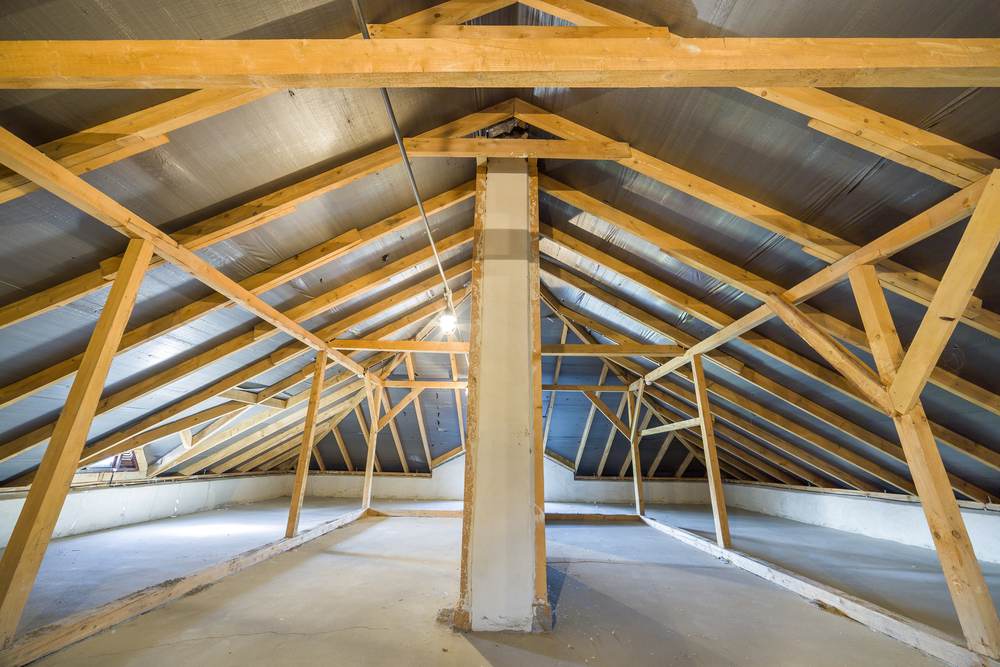
August sits at the end of a long stretch of triple-digit afternoons, and the cumulative effect catches up with a home’s cooling system by the time the bill arrives.
Air conditioners run longer per cycle during peak summer, and they run more cycles per day. A system that only had to kick on occasionally in April is working through most of the afternoon and evening by August. That extra runtime shows up directly in kilowatt hours used.
Homes also carry heat forward from one day to the next during a prolonged heat wave. Walls, attics, and roofing materials never fully cool overnight when outdoor lows stay in the high 70s or low 80s. The AC starts the next afternoon already fighting stored heat instead of a cool baseline.
Rate Increases vs. Real Efficiency Loss: Telling Them Apart
Texas residential electricity rates sit around 15 to 16 cents per kilowatt hour in 2026, up roughly 5 to 6 percent from last year. That increase alone accounts for part of a higher bill, even if a household’s energy use stayed flat.
The math matters here. A 5 to 6 percent rate increase on a typical summer bill adds a modest amount to the total. If a bill jumped 30 or 40 percent compared to last August, rate inflation isn’t the main driver. Something in the home is using more energy than it did the year before.
This distinction helps homeowners avoid two mistakes. Blaming the whole increase on rates ignores a real efficiency problem that keeps costing money every summer. Blaming the whole increase on efficiency ignores the fact that rates genuinely did go up and some of the pain is unavoidable either way.
The Attic Checks That Explain Most Summer Spikes
A handful of attic conditions show up again and again when a bill jumps well beyond what rate increases would explain:
- Thin or compressed insulation: Older insulation loses loft over time, and thinner coverage lets more heat pass through the ceiling.
- Blocked or missing attic ventilation: Trapped hot air keeps the attic running hotter for longer, which increases how much heat radiates into the home below.
- Gaps around the attic hatch or recessed lighting: Small openings let conditioned air escape upward, working against the AC system all day.
- Ductwork sitting exposed in a hot attic: Metal or flex ducting running through 130-plus degree air loses cooling before it reaches a vent.
Homeowners in Garland and Plano dealing with a bill that doesn’t match last year’s usage often find one or more of these issues during an attic inspection.
How Degraded Insulation Quietly Loses R-Value
Insulation doesn’t fail all at once. It loses effectiveness gradually, and the change rarely shows up as anything a homeowner notices from inside the house.
Fiberglass batts and blown-in material compress under their own weight over the years, and that compression reduces the air pockets responsible for slowing heat transfer. A material rated at R-38 when installed might perform closer to R-25 or R-30 a decade later, even though it still looks intact from a quick glance into the attic.
Moisture exposure adds to the decline. A roof leak, condensation from temperature swings, or humidity working its way into the attic space over time all reduce how well insulation holds its rated performance.
None of this happens on a schedule, which makes it easy to miss until a bill forces the question. Blown-in insulation is a common way to restore lost depth without removing everything that’s still doing its job.
Duct Leaks in a 140-Degree Attic
Attic temperatures during peak summer regularly climb past 130 degrees, and ductwork routed through that space takes on a meaningful amount of that heat.
Sealed, well-insulated ductwork holds up reasonably well even in extreme attic heat. Ducts with loose connections, torn insulation wrap, or gaps at the joints lose cooled air directly into the attic before it ever reaches a room.
This kind of leak forces the AC system to produce more cooled air than a home actually needs, since some portion never makes it past the attic. A radiant barrier paired with a solar attic fan reduces overall attic temperature, which lightens the load on ductwork even when the ducts have minor imperfections.
What an Insulation Upgrade Typically Saves Per Year
Homeowners upgrading from degraded insulation to R-38 with proper air sealing commonly save $300 to $700 per year, depending on home size, current insulation condition, and how much the AC system runs during summer.
The range depends on a few specific factors:
- Starting R-value: A home dropping from R-15 to R-38 sees a bigger jump than one going from R-30 to R-38.
- Air sealing scope: Sealing the attic hatch, penetrations, and duct connections adds to the savings beyond insulation alone.
- Home size and layout: Larger attics and homes with more ductwork exposed to attic heat tend to see a bigger dollar impact from an upgrade.
- Baseline AC habits: A household running the AC consistently through summer notices savings faster than one that already keeps usage minimal.
These numbers reflect typical outcomes rather than a guaranteed figure for every home, since attic condition varies enough from house to house that a specific number requires an actual inspection.
What to Do Before Next Summer
Waiting until next August to address a hot attic just repeats the same cycle for another year. A few off-season steps make a real difference: check current attic insulation depth, look for visible gaps or damage in ductwork, and confirm attic ventilation is doing its job before the heat returns. Cooler months make attic work easier to schedule and often more comfortable to complete.
Get a free attic inspection with CoreLine Insulation before next summer’s heat turns this year’s bill into a repeat performance.
FAQs
A 5 to 6 percent rate increase explains a small part of the jump. A larger increase usually points to a home efficiency problem, like degraded insulation or duct leaks that lose cooled air in the attic.
Aging insulation gradually loses R-value, and ductwork exposed to attic heat can lose cooled air before it reaches a room. Both issues force the AC system to run longer, even without changing thermostat settings.
Homeowners upgrading from degraded insulation to R-38 with proper air sealing commonly save $300 to $700 annually. The exact amount depends on starting insulation condition, home size, and AC usage habits.
Insulation rated at R-38 when installed can perform closer to R-25 or R-30 a decade later due to compression and moisture exposure. This decline rarely shows visible signs, so inspection is the most reliable way to check.
Yes, ducts with loose connections or damaged insulation wrap lose cooled air into the attic before it reaches a room. This forces the AC system to produce more cooled air than the home actually needs.