Quick Summary
Cellulose insulation offers a higher R-value per inch than fiberglass, but it settles more over time and loses some of that advantage after the first year. Fiberglass costs slightly less, resists moisture better in DFW’s humid summers, and holds its loft longer, which is why it makes up the larger share of blown-in installations across the region. Cellulose still fits certain attics well, particularly older homes with tight clearance where its depth advantage matters, though its added weight calls for checking ceiling load first. Neither material outperforms the other universally, since the right choice depends on attic conditions, moisture history, and ceiling structure.
Homeowners planning an attic project eventually run into the same question: fiberglass or cellulose? Both materials show up constantly in online comparisons, and plenty of that content reads like it was written by someone who’s never actually installed either one in a real attic. This piece comes from a different angle.
At CoreLine Insulation, we install both materials across DFW attics regularly, and each one has genuine strengths depending on the home. Let’s see how fiberglass and cellulose perform in North Texas conditions.
Fiberglass vs Cellulose Insulation: The Two Dominant Blown Materials
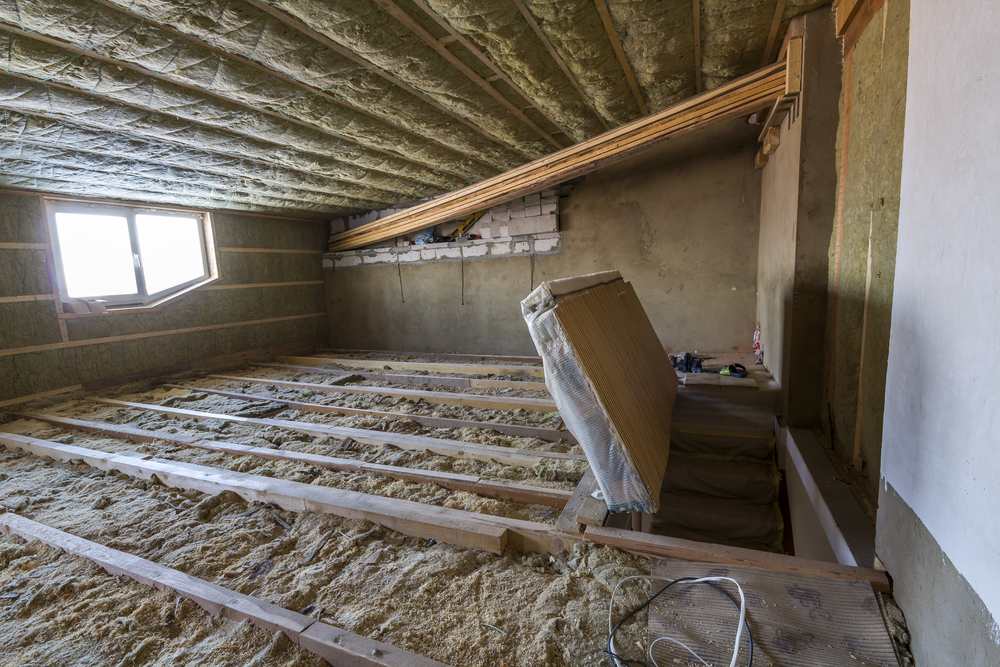
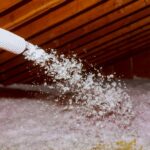
Blown-in attic insulation in DFW comes down to two main options, and both get installed the same basic way, through a hose that fills the attic floor with loose material.
Fiberglass is made from fine glass fibers spun into a loose, fluffy material. It’s been the standard choice in this region for decades, and most contractors keep it stocked and ready.
Cellulose is made primarily from recycled paper treated with fire-retardant and pest-resistant chemicals. It’s denser and settles differently than fiberglass, which changes how it performs over time.
Searches for cellulose insulation in Dallas, TX have picked up over the past few years, partly because homeowners researching options online are seeing more cellulose content than before. Both materials work well in this market, and the right choice depends on a given attic’s priorities.
R-Value Per Inch and Installed Depth
R-value per inch is one of the first numbers homeowners compare, and cellulose typically edges out fiberglass here. Cellulose commonly rates around R-3.2 to R-3.8 per inch, while blown fiberglass usually falls closer to R-2.2 to R-2.7 per inch. That difference means cellulose can reach a target R-value like R-38 with less installed depth than fiberglass needs to hit the same number.
This gap matters less than it might seem, since contractors can simply install fiberglass a bit deeper to compensate. Attic height and rafter clearance can make deeper fiberglass a factor worth discussing before choosing a material, especially in attics with limited vertical space near the eaves.
Settling: Where Cellulose Loses Ground
Settling is where cellulose gives back some of its R-value advantage, and it’s worth understanding before choosing based on the per-inch numbers alone. Cellulose settles more over time than fiberglass, sometimes losing 15 to 20 percent of its installed depth within the first year. Manufacturers account for this in their coverage charts and recommend installers blow in extra material upfront to compensate for the expected settling.
Fiberglass settles too, but less dramatically. Loose fiberglass fibers hold their loft better over time, so depth measured a year after installation tends to be closer to what went in originally.
A homeowner comparing quotes should ask what settled R-value a contractor is targeting, not just the initial installed depth. Blown-in insulation quotes that don’t account for settling can leave an attic underperforming within a year or two.
Moisture Behavior in a Humid Climate
DFW summers bring real humidity alongside the heat, and moisture behavior matters more here than in drier climates.
Fiberglass doesn’t absorb water the way cellulose can. Loose glass fibers shed moisture reasonably well, and the material generally dries out without losing much of its insulating capacity after brief exposure.
Cellulose absorbs moisture more readily due to its paper-based composition. Extended moisture exposure, from a roof leak or persistent attic condensation, can cause cellulose to compress, mat down, and lose a meaningful portion of its R-value in the affected area. It can also take longer to dry out fully once wet.
This distinction matters most for attics with a history of leaks or ventilation issues. Homes without those problems typically don’t run into moisture concerns with either material.
Fire Treatment and Pest Resistance
Both materials are treated to address fire and pest concerns, though the approach differs.
Cellulose is treated with a borate-based fire retardant during manufacturing, which also deters insects and rodents. Fiberglass is naturally non-combustible due to its glass composition, so it doesn’t need the same kind of chemical fire treatment.
Neither material offers guaranteed pest resistance. Borate treatment in cellulose makes the material less appealing to insects and rodents compared to untreated cellulose, but it doesn’t eliminate the possibility of pest activity in an attic entirely.
Dust, Weight, and Ceiling Load
Weight is a factor that gets overlooked in many online comparisons, and it deserves honest attention.
Cellulose is noticeably heavier than fiberglass at the same installed depth. A few things to keep in mind when weight becomes relevant:
- Older ceiling structures: Homes with older drywall or plaster ceilings should have their load capacity checked before adding heavier cellulose.
- Attics with existing insulation: Adding cellulose over old batts or loose fiberglass increases total ceiling load compared to adding more fiberglass.
- Attic access and storage: Heavier material sitting on ceiling joists over storage platforms or walkways deserves a second look before installation.
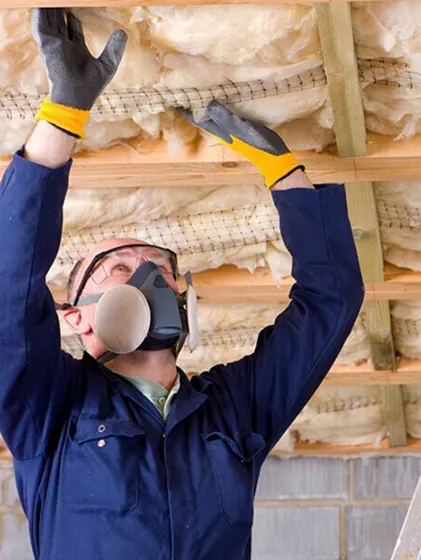
- Dust during installation: Cellulose tends to generate more visible dust during the blowing process, though both materials call for proper ventilation and protective gear on install day.
None of this rules out cellulose for most homes, but it’s a fair conversation to have before deciding, especially in older housing stock across Plano and McKinney.
Cost in the DFW Market
Pricing between the two materials sits closer together than homeowners sometimes expect.
Fiberglass typically costs slightly less per square foot installed in this market, partly due to wider availability and established supply chains among local contractors. Cellulose costs a bit more per square foot in most cases, reflecting material sourcing and the extra product needed to account for settling.
The overall project cost gap between the two materials on a typical attic tends to stay modest rather than dramatic. Attic size, existing insulation condition, and whether insulation removal is part of the project affect the total more than the material choice itself.
What We Install Most Often and Why
Fiberglass makes up the larger share of blown-in installations we complete across DFW, and a few practical reasons explain that pattern.
Availability and crews’ familiarity also play a role, since they install it daily. Fiberglass also performs consistently in this climate without the moisture sensitivity of cellulose, which matters in a region with humid summers and occasional roof leaks.
Cellulose still gets recommended for specific situations, particularly when a homeowner prioritizes the higher R-value per inch and has an attic without moisture history or ceiling load concerns. Homeowners in Garland with older homes and tighter attic clearance sometimes lean toward cellulose specifically because of its depth advantage.
Wall cavities and framed spaces still call for a different approach entirely. Batt insulation remains the standard choice there regardless of which blown material goes into the attic floor above.
Choosing the Material That Fits Your Attic
Fiberglass and cellulose both do the job well. The better choice depends on attic conditions, ceiling structure, and moisture history.
CoreLine Insulation evaluates these factors on-site for homes across Plano, McKinney, and the surrounding DFW area before recommending one material over the other. Get a free quote to see which material makes the most sense for your attic’s specific conditions.
FAQs
Neither material is universally better. Cellulose offers a higher R-value per inch, while fiberglass resists moisture better and holds its loft longer in DFW’s humid summers.
Yes, cellulose can lose 15 to 20 percent of its installed depth within the first year. Fiberglass settles too, but less dramatically, so its measured depth stays closer to the original installation.
Yes, cellulose is noticeably heavier at the same installed depth. Older ceiling structures with drywall or plaster should have their load capacity checked before adding cellulose.
Cellulose absorbs moisture more readily than fiberglass due to its paper-based composition. Prolonged exposure to leaks or condensation can cause it to compress and lose R-value in the affected area.
Fiberglass typically costs slightly less per square foot because it’s more widely available and has established supply chains. Cellulose costs a bit more, partly because it requires extra material to offset settling.