Quick Summary
Original batt insulation in 1980s Plano homes, typically rated R-19 to R-22, has compressed and settled over decades, losing much of its intended R-value. Blown-in insulation offers faster, more complete coverage for topping off these attics, while batt and roll insulation still fit wall cavities and tight framing better. Blowing new material over old batts works in most cases, but contamination from water damage, mold, or pests calls for removal first. Cost typically favors blown-in for attic top-offs, with removal adding to the total when starting fresh is necessary.
A home built in Plano during the 1980s carries a specific kind of attic history, and it shows up the moment someone finally goes up to take a look.
Blown-in vs batt insulation comes up constantly with homeowners in these older neighborhoods, and the right answer depends on what’s already up there. Original batts installed decades ago rarely perform the way they did on installation day.
At CoreLine Insulation, we spend a fair amount of time in attics across Plano’s older subdivisions. This article breaks down how blown-in and batt insulation compare, and which option best fits a home from this era.
What a 1980s Plano Attic Looks Like Today: Blown-In vs Batt Insulation Basics
Plano’s housing stock leans heavily toward homes built between 1975 and 1999, with plenty of neighborhoods like Deerfield, Los Rios, and parts of West Plano still holding their original construction-era insulation.
Code requirements back then commonly called for R-19 to R-22 fiberglass batts. That was a reasonable standard at the time, and it matched building codes across most of North Texas.
Decades later, that same insulation looks different in person. Batts compress under their own weight, shift out of place, and lose loft in spots where they’ve settled against joists or ductwork. A batt rated R-19 when it went in might perform closer to R-13 or R-15 now, even though it still fills the same physical space in the attic.
Blown-In: Coverage, Speed, and Settling
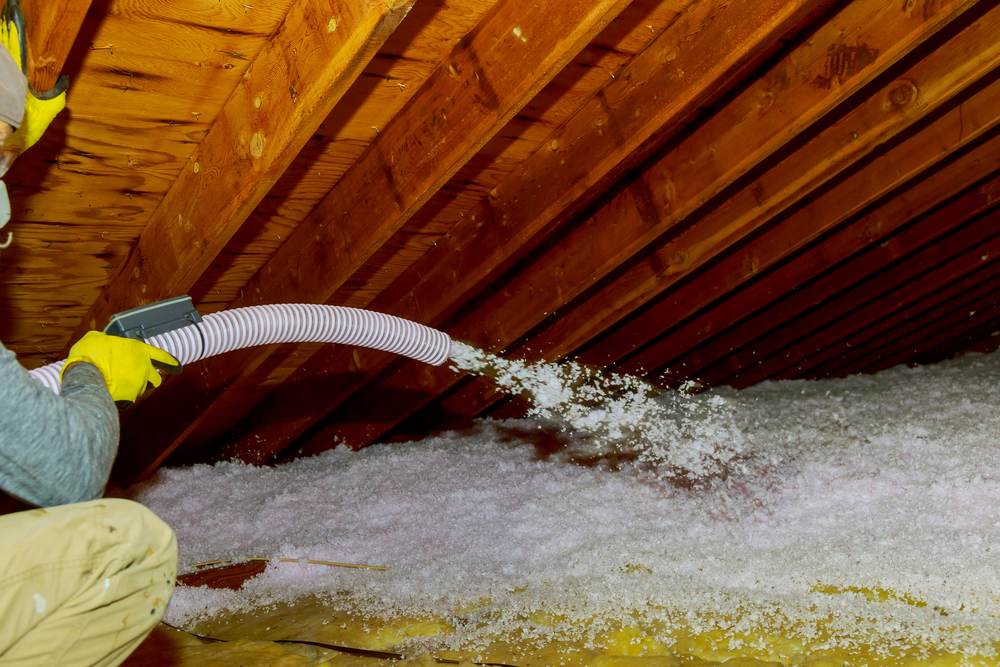
Blown-in insulation fills an attic space with loose fiberglass or cellulose, applied with a blower hose rather than laid in by hand.
Coverage is the biggest advantage here. Loose material fills gaps around joists, wiring, and irregular framing that batts often miss, especially in an older attic with decades of added wiring, plumbing vents, and HVAC modifications. Installation moves quickly compared to fitting individual batts piece by piece. A typical attic in an older Plano home can be topped off with blown-in insulation in a matter of hours rather than a full day of manual placement.
Settling happens over time with blown-in material too, though more slowly than with compressed batts. Periodic top-offs every several years keep coverage at the intended depth.
Batt and Roll: Where They Still Make Sense
Blown-in insulation isn’t the right fit for every part of an attic, and batt or roll insulation still handles certain jobs better. Wall cavities, crawl spaces, and areas around attic access points benefit from a material that holds its shape and fits snugly between framing.
Batt insulation and roll insulation work well in these spots because the material stays put without shifting the way loose fill sometimes does in tight or angled spaces.
A few situations where batt or roll makes more sense:
- New wall construction: Framing cavities in walls call for a material sized to fit between studs.
- Small, defined areas: A closet ceiling or a single room addition sometimes doesn’t justify bringing in blower equipment.
- DIY-friendly projects: Batts are easier for a homeowner to handle without specialized tools.
- Attics with limited access: Tight crawl spaces can make hose placement for blown-in material harder than fitting pre-cut batts by hand.
Can You Blow Insulation Over Existing Batts?
This question comes up on nearly every visit to a 1980s Plano attic, and the answer is usually yes, with a few conditions attached.
Blowing new material over old batts works when the existing insulation is dry, mold-free, and not compressed into a solid mat that blocks airflow. Adding loose fill on top brings the total R-value up without disturbing what’s already in place.
Conditions that make this approach less straightforward include water staining from a past roof leak, visible pest activity, or batts so old and matted down that they no longer separate into individual layers. In these cases, the attic needs a closer look before adding anything on top.
When Removal Is the Right Call Instead
Some attics benefit more from starting fresh than from adding another layer. Old insulation contaminated by rodent activity, water damage, or mold shouldn’t stay in an attic, no matter how much new material is added on top. Contamination compromises indoor air quality and can undermine the performance of anything installed afterward.
Insulation removal makes sense when a home has a history of pest issues, a past roof leak that soaked the attic floor, or insulation so degraded it no longer provides meaningful coverage. Starting with a clean attic floor gives new material a proper foundation to perform as intended.
Cost Comparison on a Typical Plano Attic
Blown-in attic insulation typically costs less per square foot than batt or roll material, though total project cost depends on attic size and existing conditions.
A straightforward top-off with blown-in insulation on an average Plano attic tends to cost less than a full batt replacement covering the same square footage. Batt and roll installation involves more labor per square foot because each piece is fitted individually, which adds to the total even when material costs are similar.
Projects involving removal add cost on top of either material choice, since old insulation needs to come out before anything new goes in. A homeowner comparing quotes should ask whether removal is included and what the per-square-foot rate covers before assuming one option is automatically cheaper.
What We Recommend for Homes Built 1975 to 1995
Homes from this era in Plano usually fall into a few categories after an attic inspection. Attics with dry, undamaged original batts typically do well with a blown-in top-off, bringing R-value up to current standards without removing insulation that’s still doing part of its job. Attics with contamination, water damage, or heavily matted batts usually call for removal first, followed by a full blown-in installation.
Wall cavities and tight framing areas keep their batt or roll insulation, regardless of what happens in the attic, since that material still fits those spaces better.
Finding the Right Fit for Your Attic
A 1980s Plano home doesn’t need a one-size-fits-all approach, and the right insulation choice depends on the attic’s actual condition. CoreLine Insulation checks existing insulation, attic access, and any signs of damage before recommending blown-in, batt, removal, or some combination of the three.
Get a free attic inspection to see what your attic actually needs before deciding between blown-in and batt insulation.
FAQs
Yes, in most cases, as long as the existing batts are dry, mold-free, and not compressed into a solid mat. Adding loose fill on top raises the total R-value without disturbing insulation that’s still performing adequately.
Batt insulation comes in pre-cut sections sized for standard stud spacing, while roll insulation comes in a continuous length that gets cut to fit. Both work well in wall cavities and framing where the material needs to hold its shape.
Blown-in insulation typically costs less per square foot than batt or roll material for attic applications. Batt installation requires more labor because each piece is fitted individually, which adds to the total project cost.
Removal makes sense when insulation shows signs of water damage, mold, or pest contamination. Old, degraded insulation can undermine the performance of new material installed on top of it.
It depends on the attic’s condition. Dry, undamaged original batts often do well with a blown-in top-off, while attics with contamination or heavy matting typically need removal before installing new insulation.