Quick Summary
Radiant barriers and added attic insulation solve two separate heat problems, radiant and conductive, and North Texas homes often need a different fix depending on age and location. Newer Frisco and Prosper homes built after 2008 typically already have TechShield radiant sheathing, shifting the focus toward insulation depth instead. Older homes in Allen and nearby areas usually benefit from both upgrades together. Cost, home construction, and existing materials all shape which approach fits a specific attic.
North Texas attics face two kinds of heat at once, and homeowners often assume more insulation solves both. Attic heat arrives two ways. Direct sunlight bakes the roof deck all day, and warmth passes through the ceiling into living spaces below. A radiant barrier tackles the first kind of heat. Thicker insulation handles the second.
At CoreLine Insulation, we hear this question often from homeowners across Collin and Denton counties. Does a radiant barrier make sense, or is adding more insulation the smarter move? This article walks through both options, how they perform in Texas heat, and when one makes more sense than the other.
Radiant Barrier Basics: Two Different Jobs, Two Different Heat Problems

Heat moves through a house in more than one way, and a radiant barrier and standard insulation each block a different part of that movement.
Radiant heat travels through radiation. It’s the kind of energy a hot roof deck sends downward into an attic on a sunny afternoon. Conductive heat moves through direct contact instead, the kind that passes through ceiling drywall, framing, and any thin patch in a home’s insulation.
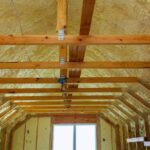
A radiant barrier interrupts radiant heat before it reaches the attic floor. It’s usually installed as a foil layer, sometimes called attic foil, attached to roof rafters or draped over existing insulation. That foil layer blocks a portion of the sun’s energy from moving past it and into the attic space.
Standard insulation, whether batts, blown-in fiberglass, or spray foam, works differently. It slows conductive heat by trapping air pockets that heat struggles to move through.
Why Radiant Barrier Performs Better in Climate Zone 3A Than Up North
DFW sits in Climate Zone 3A, a zone defined by intense solar gain and long, hot summers. A home here spends months absorbing direct sun on the roof, making radiant heat a bigger factor than in cooler climates.
In places with shorter, milder summers, this type of barrier offers a smaller return. In those places, conductive heat loss during long winters carries more weight in the overall energy picture.
North Texas doesn’t deal with that trade-off the same way. Summer solar gain dominates the cooling season, and radiant barrier insulation, installed correctly, gives a home a real advantage during the months when attic temperatures spike.
Pairing this upgrade with a solar attic fan gives an attic two ways to manage heat instead of one, cutting down on trapped warmth from two directions at once.
What Radiant Barrier Installation Costs in DFW
Radiant barrier installation costs vary based on attic size, roof pitch, and whether the material goes on top of rafters or gets stapled directly to the underside of the roof deck.
A straightforward attic in a home in Allen or a similar DFW suburb typically costs less to complete than a steep, cut-up roofline with multiple valleys and dormers. Labor makes up a meaningful part of the cost. Installation happens in a tight, hot workspace and requires careful handling to avoid overlaps or thin spots that reduce performance.
Homeowners comparing quotes should ask what material is being used, how it will be attached, and whether the crew accounts for attic airflow in the plan. A barrier installed without ventilation support won’t perform at its best.
When Adding R-Value Is the Better Buy
This upgrade isn’t the answer for every attic. In some cases, adding R-value through more insulation makes more sense.
- Older homes with minimal insulation: A home with only a few inches of aging fiberglass benefits more from added depth than from a foil layer alone.
- Homes with high bills tied to conductive loss: If ceiling insulation is thin, more coverage often addresses the root problem directly.
- Budget-limited projects: Insulation upgrades sometimes deliver a quicker return per dollar spent when a home’s biggest shortfall is R-value, not radiant heat.
- Homes with tight attic access: Blown-in insulation is often quicker to add in oddly shaped attics compared with a carefully fitted foil layer.
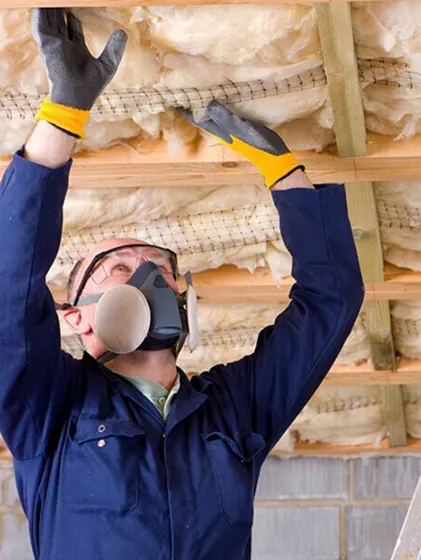
Blown-in insulation is a common recommendation in these cases. It adds depth quickly across an entire attic floor with minimal disruption, making it a practical option in these situations.
Homes With TechShield Radiant Barrier Decking Already Installed
Plenty of homes in Frisco and Prosper built after roughly 2008 already have LP TechShield radiant barrier sheathing in place on the roof deck.
This factory-applied foil layer does the same basic job as an aftermarket option, reducing radiant heat before it reaches the attic space. A homeowner in one of these houses doesn’t need to install a second layer. The better move is usually to confirm the TechShield sheathing is still in good condition and focus on insulation depth or ventilation instead.
Doing Both: The Sequence That Makes Sense
Some attics benefit from both upgrades, and the order matters more than people expect. Addressing insulation depth first gives a clear picture of how much conductive heat is already under control. From there, a foil layer addresses whatever radiant heat is still getting through.
Installing a radiant barrier in an attic with thin, worn insulation still leaves the conductive heat problem untouched. Adding insulation to an attic with no radiant heat management still leaves the roof deck baking the space all summer. Handling both, in a sequence suited to the home, addresses radiant heat and conductive heat at the same time.
What We Recommend by Home Age and City
The best starting point usually depends on a home’s age and where it sits in DFW. Newer construction in Frisco, Prosper, and similar fast-growing areas often already has TechShield sheathing. The conversation shifts to insulation depth and attic airflow.
Older homes in established neighborhoods across Allen, McKinney, and nearby cities are more likely to need both an insulation refresh and a first-time radiant barrier. These houses went up before foil-backed roof sheathing became standard in new construction.
- Homes from before 2005: Often benefit most from a first-time radiant barrier paired with an insulation top-off.
- Homes from 2008 or later in Frisco and Prosper: Usually already have TechShield decking, so the focus moves to insulation depth and ventilation.
- Homes with heat complaints upstairs: Typically respond well to combining both upgrades instead of picking just one.
- Homes on a tighter budget: Often see the quickest benefit from an insulation top-off first, with a radiant barrier added later.
Choosing the Better Fit for Your Attic
North Texas attics all deal with the same summer sun, but no two homes need the exact same fix. Home age, existing materials, and construction details all play a part in whether a radiant barrier, added insulation, or a combination of both makes the most sense.
CoreLine Insulation looks at attic construction, existing materials, and home age before recommending an approach for a specific property.
Set up a free attic inspection and get a clear answer on whether a radiant barrier, added insulation, or both make sense for your home this summer.
FAQs
A radiant barrier blocks radiant heat coming off a hot roof deck. Standard insulation slows conductive heat moving through the ceiling, so the two address different parts of attic heat gain.
No, homes with TechShield sheathing already have a factory-applied radiant barrier. The better move is checking its condition and looking at insulation depth or ventilation instead.
Yes, Climate Zone 3A gets intense solar gain through summer, which makes radiant heat a bigger factor here than in cooler regions. A radiant barrier tends to perform well under these conditions.
Cost depends on attic size, roof pitch, and installation method. A simple roofline typically costs less than a steep roof with multiple valleys or dormers.
Addressing insulation depth first shows how much conductive heat is already under control. A radiant barrier can then target whatever radiant heat is still getting through.