Quick Summary
DFW attics regularly hit 130 to 160 degrees during August, well above the 96 to 100 degree highs typical for the region. This heat pushes into living spaces, raises electric bills, and wears down fiberglass insulation faster than homeowners expect. Ventilation and insulation each play a separate role, and a home needs both working together to keep attic heat under control. A simple temperature check with a thermometer or infrared gun can reveal how much attention a given attic needs.
August in Dallas-Fort Worth doesn’t stay outdoors. Above the ceiling, in the space hardly anyone thinks about, temperatures climb even higher than what shows up on the weather app. A North Texas attic can turn into one of the hottest spots on a property during peak summer. It often runs 40 degrees or more above the outdoor air.
This heat doesn’t sit still. It pushes down through the ceiling and works its way into living spaces, and air conditioning systems end up running longer than they need to. At CoreLine Insulation, we hear from Collin County and Tarrant County homeowners every July and August.
The question is usually some version of the same thing: why does my attic act like an oven, and does attic ventilation make a real difference? This article looks at what happens up there, what the heat costs a household, and how you can check your own attic before the next heat wave rolls through.
Why North Texas Attics Run 130 to 160 Degrees (And Why Attic Ventilation Matters)
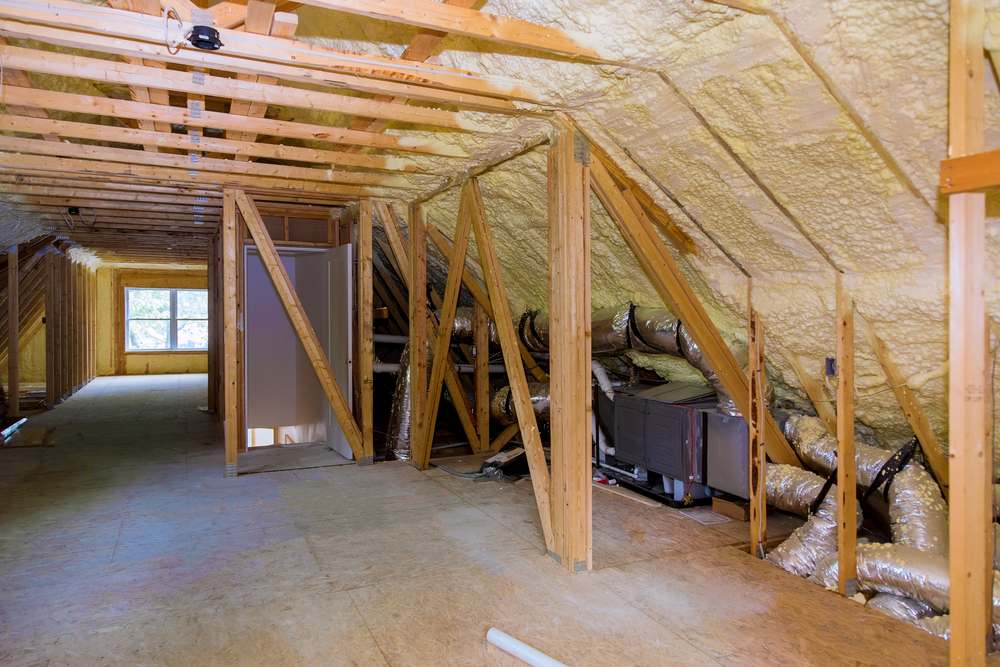
It’s a fair question every summer: how hot does an attic in Texas get on a bad August afternoon? Average highs in July and August typically land between 96 and 100 degrees, and plenty of afternoons push past 100 outright.
DFW sits in Climate Zone 3A, a designation used across the building industry to describe hot, humid summers paired with mild winters. In that zone, attics regularly climb 30 to 60 degrees above the outdoor temperature. This puts plenty of attics somewhere between 130 and 160 degrees on a sunny August afternoon.
Roofing materials absorb radiant heat all day, and asphalt shingles in particular hold onto that heat well into the evening. Without a path for hot air to escape, an attic space keeps collecting warmth with nowhere to go. A solar attic fan gives that trapped air somewhere to go, pulling superheated air out and letting cooler outside air take its place. Attic ventilation isn’t a nice-to-have in this climate. It’s part of how a house manages heat load during the hottest months.
The Ceiling-to-Attic Heat Transfer Problem
Heat moves toward cool space, and a hot attic sitting just above a conditioned home creates a strong path for that transfer. Insulation slows the process down, but it doesn’t stop it. This matters especially when attic temperatures stay elevated for hours at a stretch.
Heat radiates down through the attic floor, warms the ceiling drywall, and eventually makes its way into bedrooms and living areas below. This is part of why upstairs rooms in a two-story DFW home often run warmer than downstairs ones during summer afternoons.
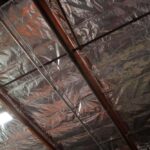
A radiant barrier addresses part of this equation directly. Installed under the roof deck, it bounces a portion of that radiant heat back before it reaches the attic floor. This takes some of the pressure off both the insulation and the air conditioning system.
How Attic Heat Drives Up a Collin County Electric Bill
Homeowners across Plano, Frisco, McKinney, and the rest of Collin County notice the same pattern every summer. The air conditioner runs almost nonstop from June through September, and the electric bill climbs along with it. A hot attic is a big part of that story.
When an attic runs too hot for hours at a stretch, the HVAC system below has to work harder just to hold a comfortable indoor temperature, even with the thermostat set the same as it was in April. Ductwork routed through the attic also absorbs extra heat, so cooled air can warm up several degrees before it even reaches a vent. Homeowners in Plano dealing with unusually high summer bills often find the attic is where the real problem starts.
What 100-Plus Degree Days Do to Aging Fiberglass
Fiberglass insulation doesn’t fail overnight, but repeated cycles of extreme attic heat wear it down over the years. A few things happen inside older insulation during a long, hot DFW summer:
- Compression: Older batts and blown-in fiberglass settle and compress over time, losing loft and R-value.
- Moisture exposure: Attic heat combined with humidity can cause condensation when temperatures drop at night, gradually reducing insulation performance.
- Pest damage: Hot, undisturbed attics attract rodents and insects, and nesting activity displaces or damages insulation material.
- Uneven coverage: Years of foot traffic, HVAC service work, or storage boxes leave thin spots that let heat pass through more easily.
Little of this shows up as an obvious change from inside the house. A decade of Texas summers still takes a real toll on insulation that was never inspected. Blown-in insulation is one of the more practical upgrades for homes dealing with settled or thinned-out coverage. It fills openings and uneven spots without tearing into the attic structure.
Ventilation vs. Insulation: You Need Both
Ventilation and insulation solve two different problems, and treating them as competing options usually leaves a home only halfway protected. Attic vents, whether ridge vents, soffit vents, or a solar-powered exhaust fan, deal with moving hot air out of the space. Insulation slows the heat that still makes it through before it reaches living areas.
A home with excellent insulation but blocked or inadequate attic vents still traps superheated air above the ceiling. This trapped heat eventually finds a way through anyway.
A home with plenty of airflow but thin, worn-out insulation lets heat radiate straight into the rooms below, no matter how well the attic breathes. Homeowners in Frisco and across the wider DFW area get the best results when they address airflow and insulation together instead of choosing one over the other.
How to Check Your Own Attic Temperature This Summer
Checking attic temperature doesn’t require special equipment. A basic outdoor thermometer or an infrared temperature gun, the kind sold at hardware stores, can give a solid reading in a few minutes:
- Timing: Take the reading between 2 and 5 p.m. on a clear, sunny day, when attic heat peaks.
- Placement: Hold the thermometer a few feet above the attic floor, away from direct sunlight coming through any vents.
- Comparison: Check the outdoor temperature at the same time so you can measure the difference, not just the raw number.
- Repeat visits: Take a reading once in early summer and again in August to see how the difference grows as materials age.
During a recent service call in Prosper, our technician measured an attic at 158 degrees at 3 p.m. The outdoor temperature at the same time sat at 101. A 57-degree difference is on the high end, but it isn’t unusual for an older roof with limited airflow and insulation past its useful years. If a reading in your own attic lands anywhere close to that range, it’s worth having someone take a closer look.
What to Do Once You Know Your Attic’s Number
A hot attic isn’t something to fix once and forget. Texas summers test insulation and ventilation year after year, and small issues compound quietly until a bill or a comfort complaint forces the issue.
If you’ve measured your own attic and didn’t love the number, CoreLine Insulation offers a free attic inspection to homeowners across the DFW area. Schedule your free attic inspection and get a clear picture of what your attic is doing to your comfort and your energy bill this summer.
FAQs
Attic temperatures in North Texas commonly reach 130 to 160 degrees on sunny August afternoons. This range sits well above the outdoor air, sometimes by 40 degrees or more.
Yes, moving hot air out through vents or a fan keeps temperatures from building up as high. Insulation still handles the heat that gets through, so both jobs matter.
A basic outdoor thermometer or an infrared temperature gun works well. Take the reading in the mid-afternoon on a sunny day for an accurate picture.