Quick Summary
Choosing between DIY and professional insulation depends on your home’s condition, the type of insulation, and the scope of the project. Small, accessible jobs may be suitable for experienced homeowners, while larger or more complex installations often require professional expertise. Taking the right approach can improve indoor comfort, reduce energy costs, and help your insulation perform effectively for years to come.
Homeowners often ask, “How much insulation do I need?” before starting an upgrade project. It sounds like a simple question, yet the answer depends on your home’s design, existing insulation, and the North Texas climate.
Some insulation jobs fit a DIY approach, while others call for specialized knowledge and equipment. Making the right decision can save time, reduce energy waste, and help create energy-efficient home insulation that performs well throughout the year.
In the Dallas-Fort Worth area, homes experience intense summer heat, changing weather patterns, and occasional winter cold snaps. Those conditions place added demands on insulation systems.
Before purchasing materials or planning a weekend project, it helps to understand what separates a successful DIY installation from one that is better handled by trained professionals.
Why Insulation Matters in North Texas
North Texas homes experience long summers, extreme attic temperatures, and occasional winter cold snaps. Proper insulation helps reduce heat transfer, keeps indoor temperatures more consistent, lowers HVAC workload, and improves energy efficiency.
Over time, insulation can settle, become damaged, or develop gaps that allow conditioned air to escape. Upgrading insulation often improves comfort while reducing monthly utility costs. It can also help eliminate hot and cold spots between rooms, reduce wear on heating and cooling equipment, and create a more comfortable indoor environment throughout every season.
Projects That Can Work as DIY
Some insulation projects are suitable for homeowners with the right tools, preparation, and safety equipment.
Examples include:
- Installing fiberglass batts during remodeling projects
- Insulating garage walls or detached buildings
- Adding blown-in insulation to a simple, accessible attic
These projects require careful installation. Gaps, uneven coverage, or compressed insulation reduce effectiveness and may limit energy savings. Before adding new insulation, inspect the area for moisture, damaged materials, or air leaks that could affect performance.
Taking time to prepare the space and follow manufacturer recommendations helps improve long-term results and reduces the likelihood of costly mistakes.
The Challenges of DIY Installation
Although insulation may appear easy to install, achieving proper performance is often more difficult than expected.
Insulation must completely fill cavities without being compressed. Missing even small areas can create thermal weak spots that reduce efficiency.
Attics present additional challenges, including:
- High summer temperatures
- Tight working spaces
- Electrical wiring
- Limited ventilation
- Uneven flooring
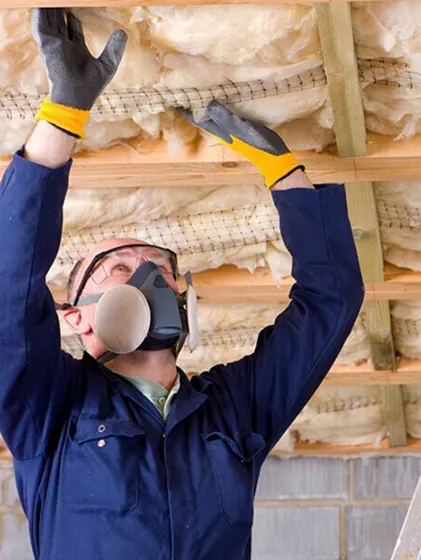
Moisture, mold, pest damage, and hidden air leaks can also reduce insulation performance if left unaddressed. Safety is another consideration. Fiberglass insulation can irritate the skin, eyes, and lungs, making protective clothing and respiratory protection essential.
Working in hot attics for extended periods can also increase the risk of heat exhaustion, especially during North Texas summers. This makes larger projects more difficult than many homeowners expect.
Projects That Should Be Left to Professionals
Certain insulation projects are best left to experienced installers.
Spray foam insulation requires specialized equipment and precise application. Incorrect installation can affect insulation performance and indoor air quality.
Professional installation is also recommended for:
- Large attic insulation projects
- Older homes with damaged insulation
- Homes with moisture or pest issues
- New construction
- Commercial buildings
- Complex attic layouts
Experienced technicians can identify hidden problems, recommend the appropriate insulation, and ensure the installation meets current building standards.
Understanding R-Value
R-value measures how well insulation resists heat transfer. Higher R-values generally provide greater thermal resistance, but the highest number is not always the best choice.
Recommended insulation levels vary depending on the location within the home. Attics, walls, crawl spaces, and garages all have different insulation requirements based on climate and construction.
A professional evaluation considers your home’s design rather than focusing only on R-value. Existing insulation, air leakage, ventilation, and available installation space also influence overall performance. Choosing the right insulation system instead of simply selecting the highest R-value often delivers better long-term comfort and energy efficiency.
Looking Beyond the Insulation Material
Adding insulation alone does not always solve comfort or efficiency problems.
Air leaks around plumbing, wiring, attic hatches, windows, doors, and ductwork allow conditioned air to escape. Sealing these gaps before installing insulation often improves overall performance.
Proper attic ventilation also helps control heat and moisture, allowing insulation to work more effectively. Evaluating the entire attic system instead of focusing only on the insulation material can produce better results.
When air sealing, ventilation, and insulation work together, homeowners often experience more consistent indoor temperatures and improved energy efficiency.
Comparing Upfront Cost and Long-Term Value
DIY installation usually costs less at the beginning because labor expenses are reduced. Homeowners willing to invest their own time may complete small projects for a reasonable budget.
Professional installation carries a higher initial investment, yet it often delivers better long-term value.
Correct installation reduces the likelihood of missed areas, uneven coverage, or premature replacement. Professionals also complete projects much faster and frequently identify hidden issues before they become expensive repairs.
For larger projects, paying for experienced installation may actually reduce future costs by improving energy savings and preventing installation mistakes. Professionals can also recommend the most appropriate insulation type and R-value for your home. This will help avoid overspending on unnecessary materials or underinsulating important areas.
A properly installed system is more likely to maintain consistent performance over time, reducing the need for future repairs, additional insulation, or repeated upgrades that increase overall ownership costs.
How We Help Homeowners Across DFW
At CoreLine Insulation LLC, we help homeowners, builders, contractors, and property managers throughout the Dallas-Fort Worth area choose insulation solutions based on their property’s specific needs.
Our certified technicians evaluate insulation levels, air leakage, ventilation, and attic conditions before recommending the most effective solution. Whether your project requires a simple insulation upgrade or a complete attic improvement, we provide professional installation, transparent pricing, and dependable workmanship.
If you’re planning an insulation project, contact CoreLine Insulation LLC to schedule a professional evaluation and find the right solution for your home.
FAQs
Yes. Small attic insulation projects can be completed by experienced homeowners if the attic is easy to access and the installation area is straightforward. However, achieving even coverage and the correct insulation depth is essential for good performance. Larger attics, spray foam applications, or homes with existing insulation issues are usually better suited for professional installation.
Common signs include uneven indoor temperatures, rising energy bills, rooms that feel unusually hot or cold, frequent HVAC operation, and insulation that appears thin, compressed, or damaged. A professional inspection can determine whether additional insulation or other improvements will provide the greatest benefit.
Inspecting your attic for visible gaps, moisture, or signs of settling can also help identify areas where insulation is no longer performing effectively.
Professional insulation is often worth the investment for large projects, spray foam installation, or homes with aging insulation, moisture issues, or complex attic layouts.
Proper installation helps maximize energy efficiency, improve indoor comfort, and reduce the risk of costly mistakes that can affect long-term performance. Experienced installers also verify proper coverage, identify hidden problems, and recommend solutions tailored to your home’s specific construction and insulation needs.